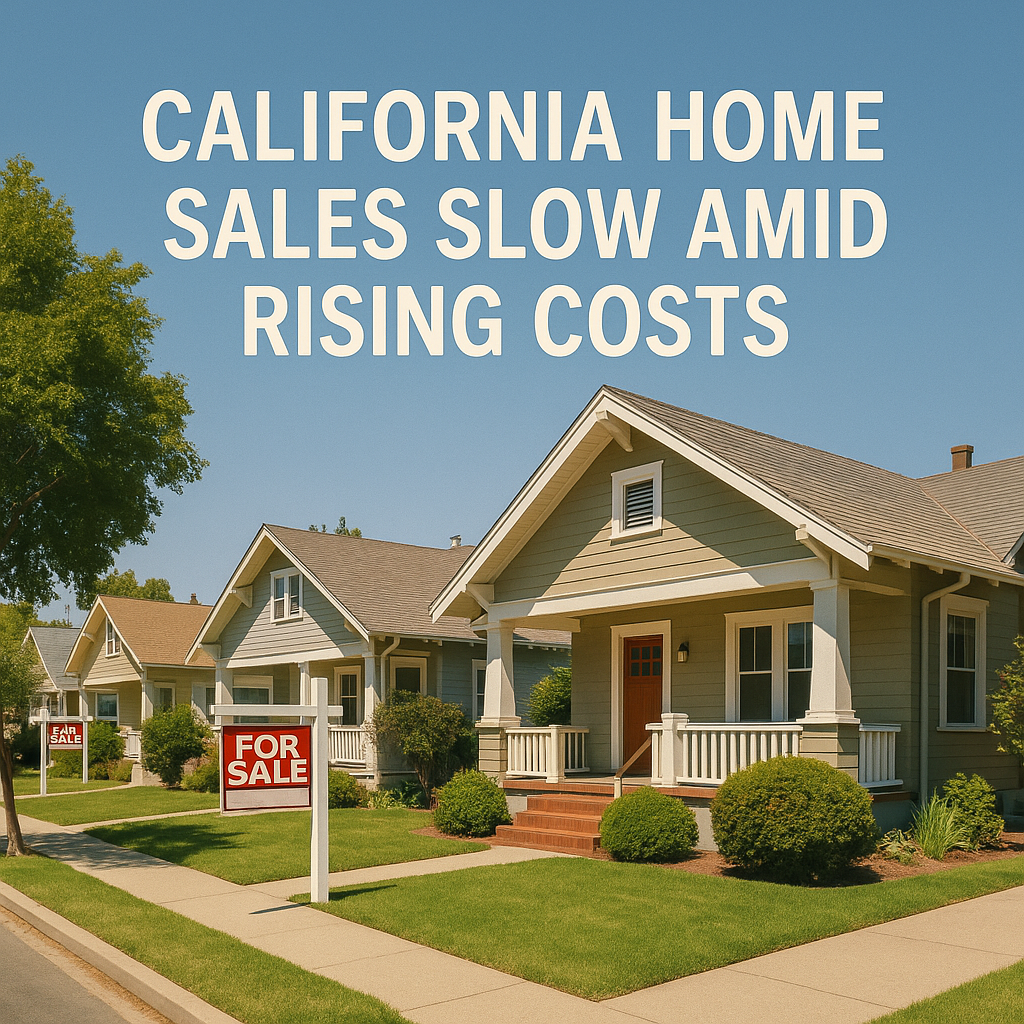
Title: California Home Sales Slow Down in September Amid Rising Borrowing Costs and Affordability Issues
September marks a noticeable shift in the California housing market as sales take a step back due to rising borrowing costs and ongoing affordability challenges. This trend is reflective of the broader economic climate and the implications it has on potential buyers across the state.
Understanding the dynamics at play in this month’s real estate landscape is crucial for both homebuyers and sellers alike. The unprecedented rise in interest rates has led to increased borrowing costs, which is a significant factor contributing to the slowdown. With mortgage rates reaching levels not seen in recent memory, many prospective buyers are feeling the pinch and opting to wait rather than make a purchase.
Market Trends and Observations
While the past couple of years witnessed an explosive growth in home sales, September’s figures indicate that this robust momentum may be waning. Market analysts are observing a pattern where fewer buyers are entering the market, primarily due to the financial strain posed by higher interest rates.
In an environment where many families are already stretching their budgets to afford homeownership, the recent hikes in borrowing costs have thrown additional challenges into the mix. It seems that the golden days of record-low rates and an invigorated market are giving way to a more cautious and analytical approach from buyers.
This pullback is not limited to a specific segment of the California housing market. Whether we’re looking at single-family homes or condos, the impact of elevated borrowing costs is evident. Buyers are re-evaluating their financial strategies and considering their long-term affordability before committing to a home purchase.
Impact of Affordability Challenges
One of the core issues affecting home sales is affordability. Many potential buyers, particularly first-time homeowners, are grappling with the stark reality that home prices in California can be daunting even at lower borrowing costs. Increased interest rates have further exacerbated this situation, making it even more challenging for those looking to get a foothold in the housing market.
As borrowing costs rise, the gap between what homes cost and what buyers can afford widens. In many cases, individuals and families are finding themselves priced out of the market, leading to heightened demand for rental properties instead. This shift in demand may signal a greater trend where more people choose to rent rather than buy, impacting long-term housing strategies in the state.
Additionally, sellers are now facing a dual challenge; they must navigate an increasingly competitive market while dealing with potential buyers who have tightened their belts financially. With fewer people entering the market, sellers may have to reconsider pricing strategies to attract motivated buyers.
Looking Ahead
As we turn our eyes toward the future, many industry experts are left wondering what the next steps in the California housing market will be. Will potential buyers adjust to the new normal of higher borrowing costs, or will they continue to wait on the sidelines?
Additionally, as interest rates fluctuate, the market dynamics may shift once again. It’s important for buyers and sellers alike to stay informed and attuned to these changes. For buyers, this could also mean being patient and strategic about their purchases, seeking opportunities when the market stabilizes.
Final Thoughts
To wrap it up, the current slowdown in California home sales is a complex interplay of rising borrowing costs and challenges in affordability. The housing market is evolving, and the road ahead may require both buyers and sellers to adapt to new realities.
Hot take: Who would have thought that in 2023, the only thing harder than finally finding a home is still being able to afford it? As always, keep your eyes peeled for opportunities—because in real estate, much like life, timing is everything!